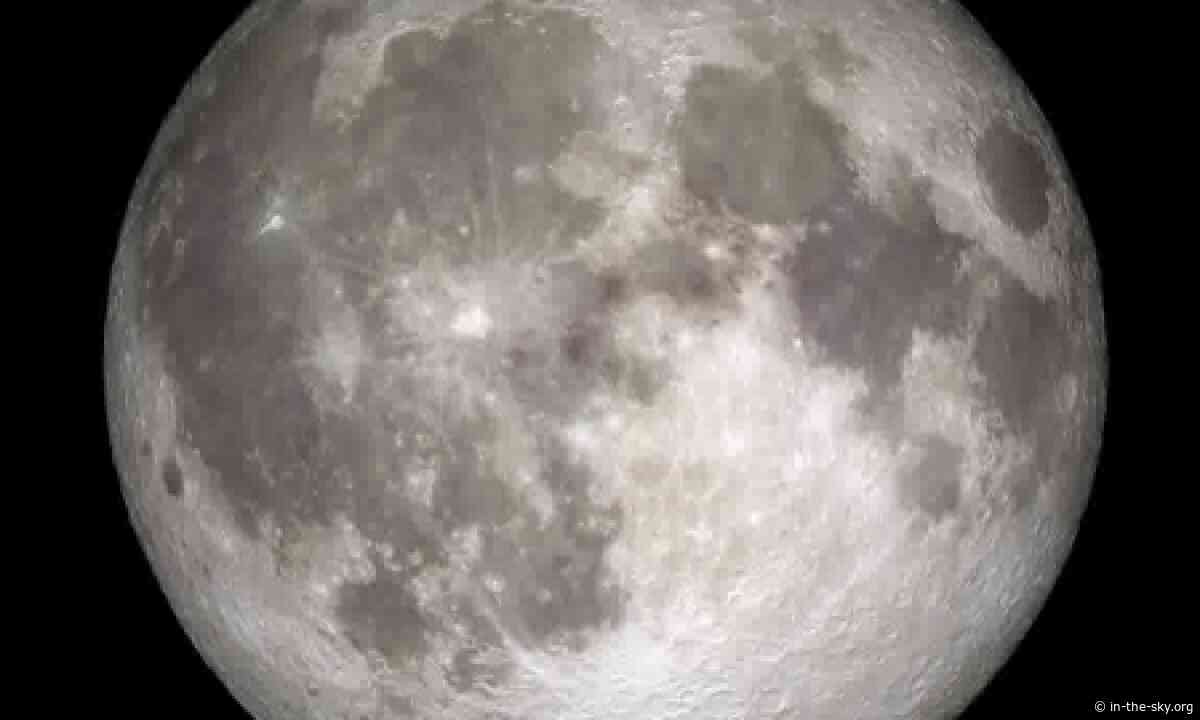
30 Jun 2026 (15 hours away): The Moon at aphelion
29-06-2026 15:12 via in-the-sky.org

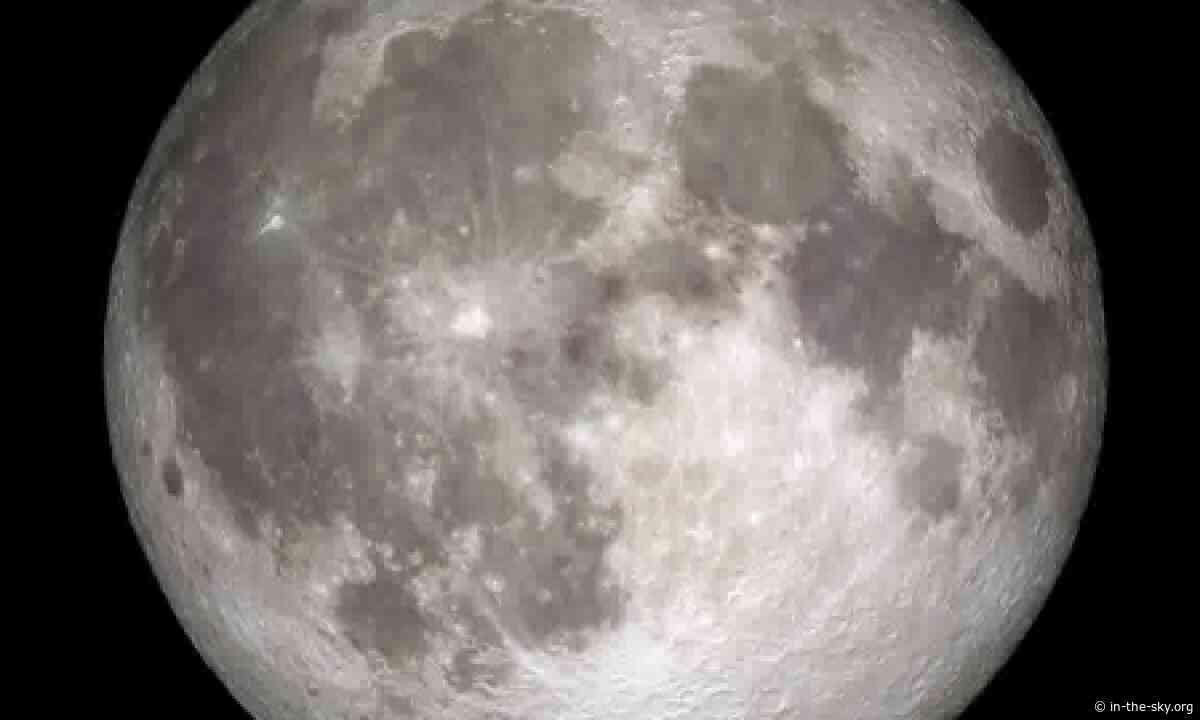
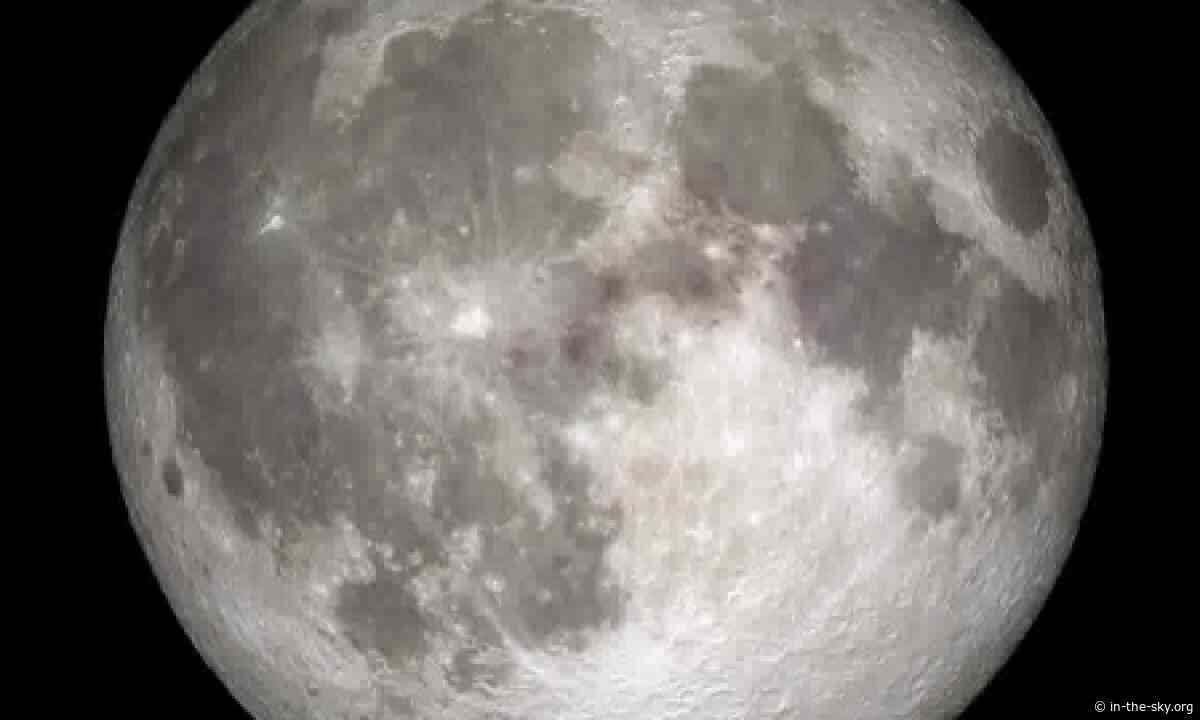
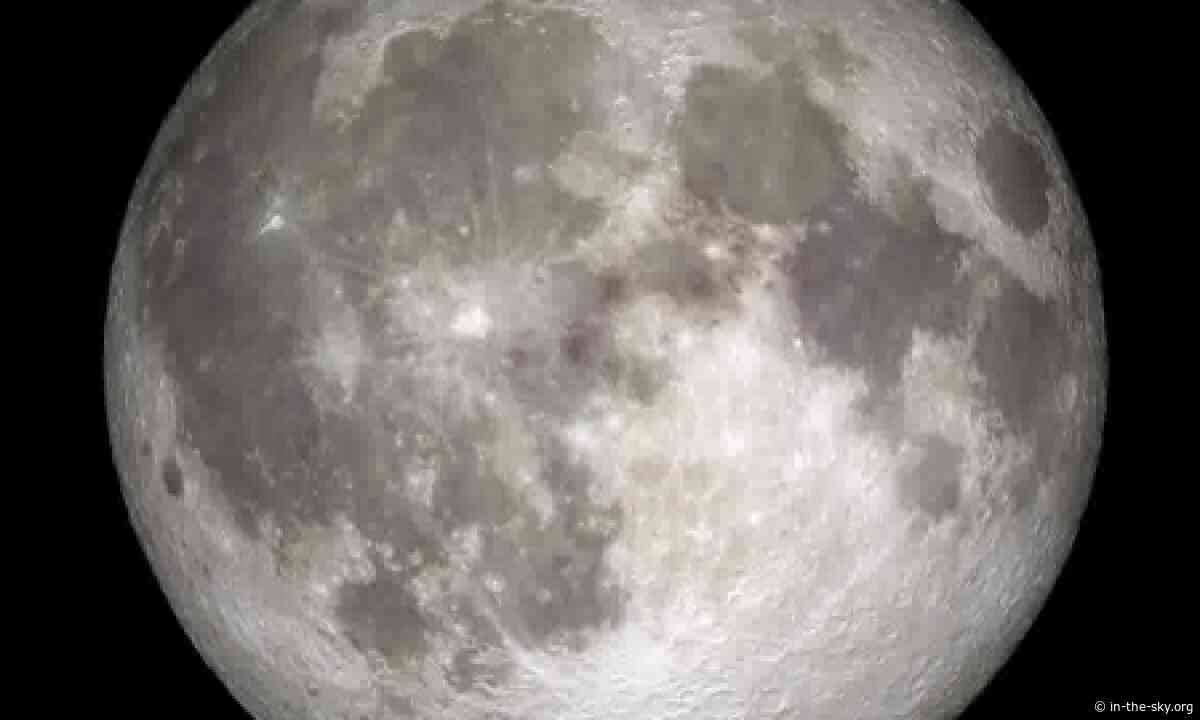
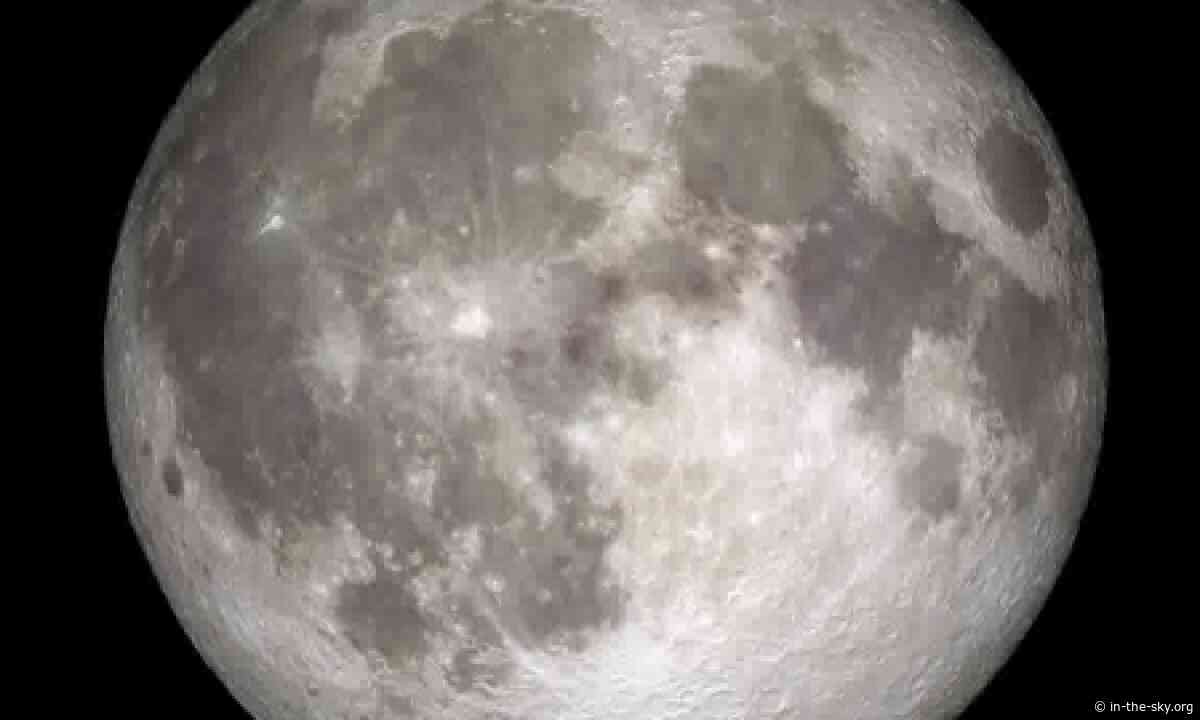
30 Jun 2026 (15 hours away): The Moon at aphelion

The Moon passes its furthest point from the Sun, a monthly occurrence around the time of full moon.
Read more »

Astronomy news
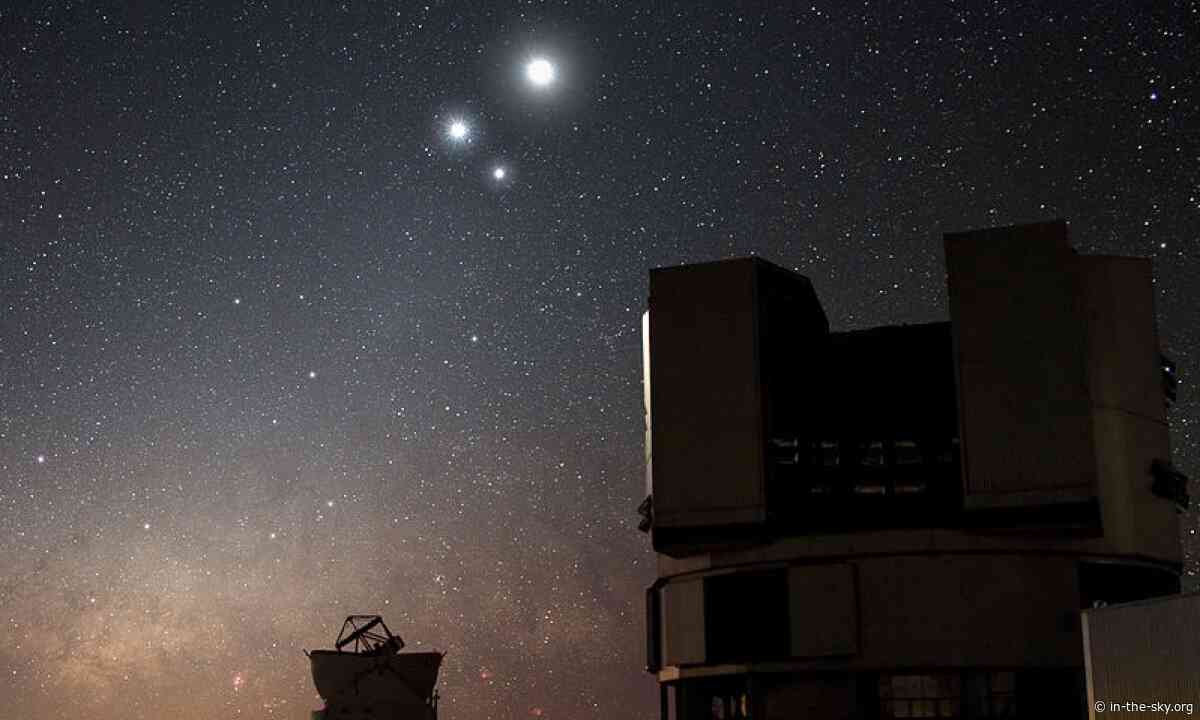


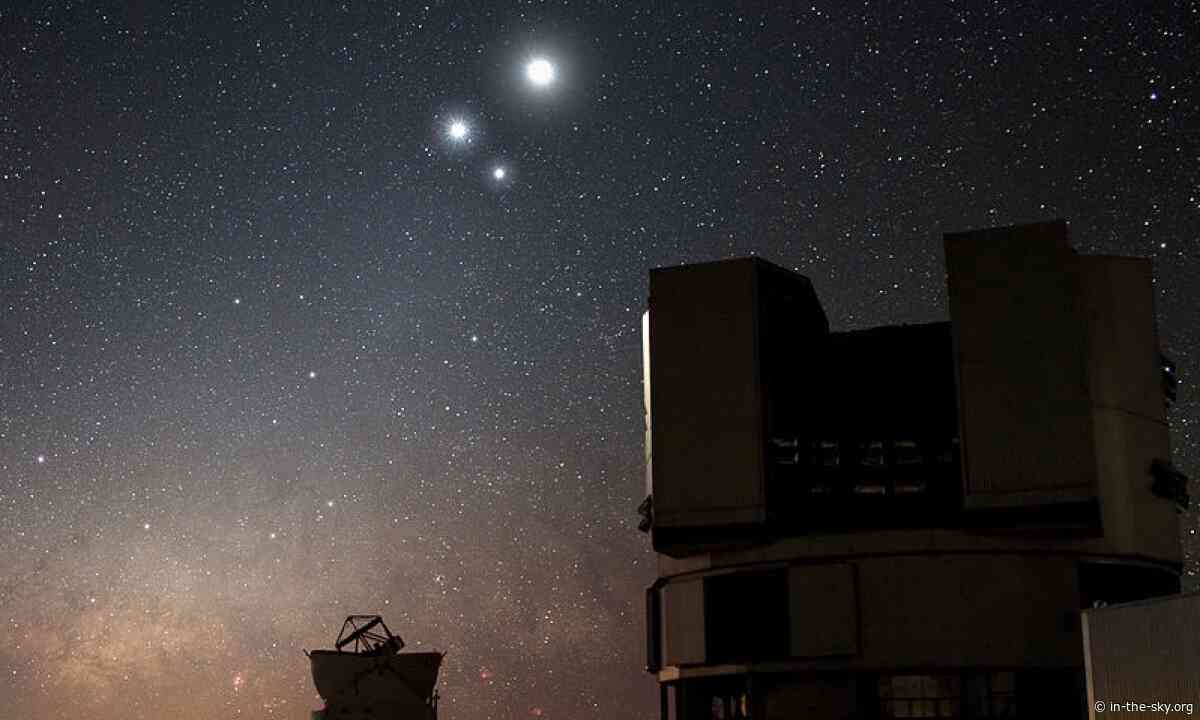
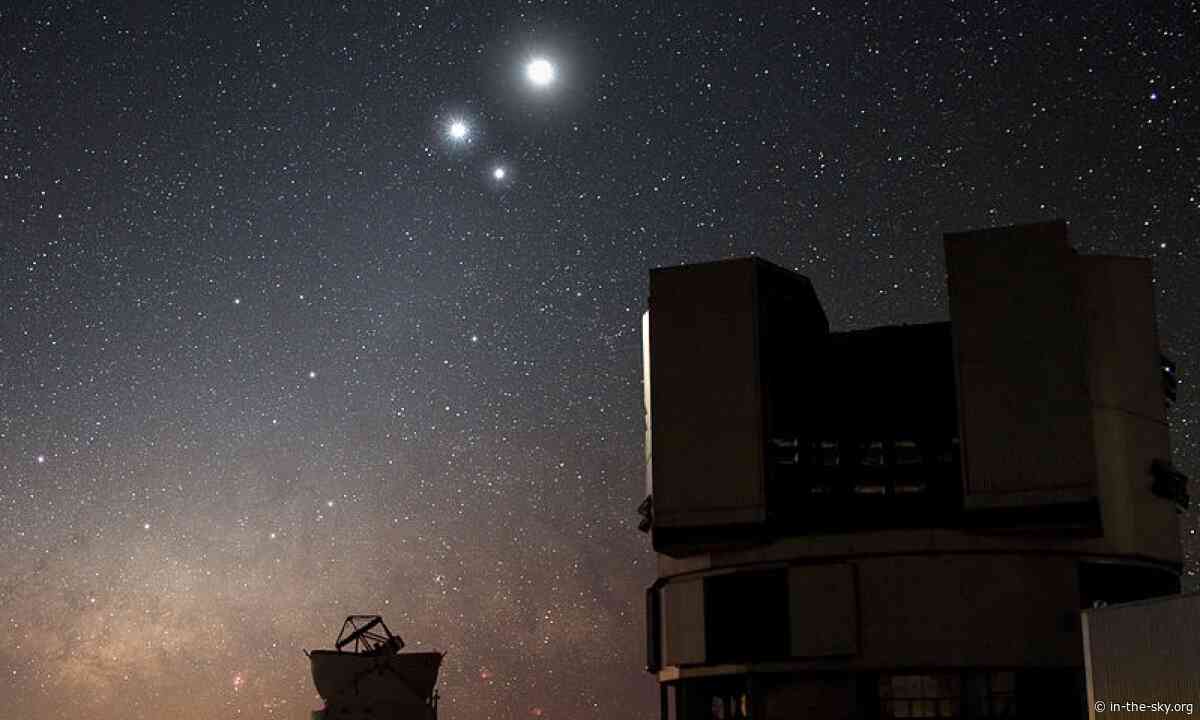
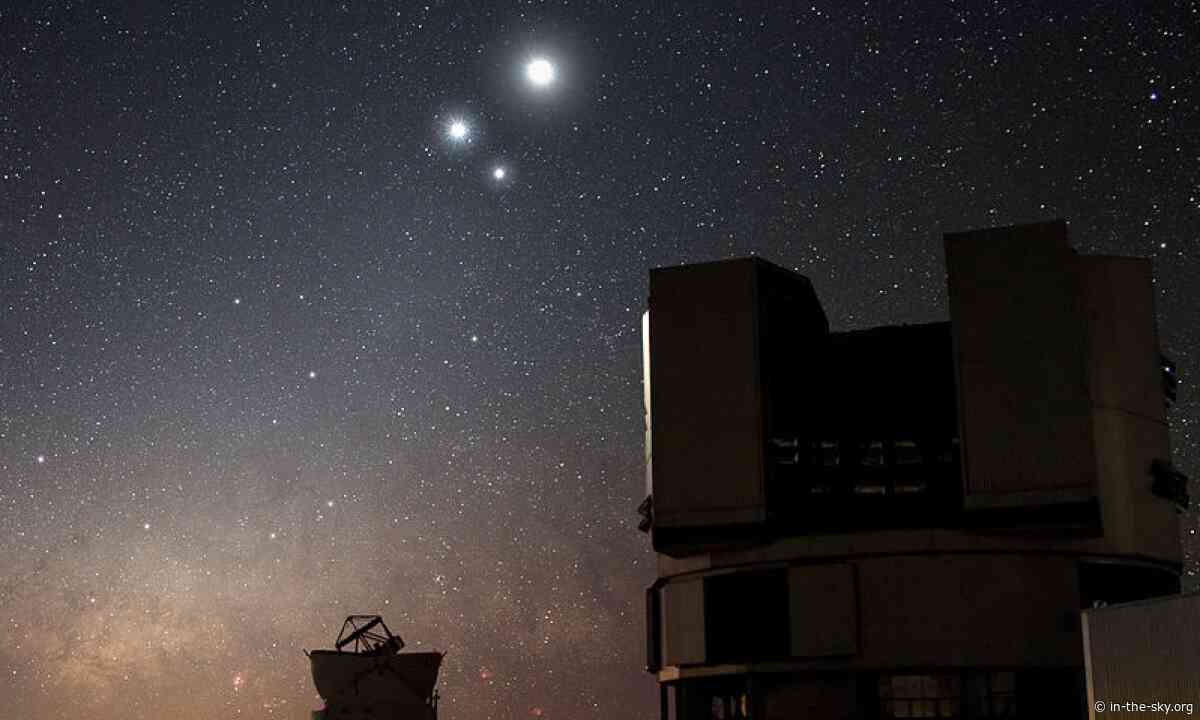
30 Jun 2026 (17 hours away): Lunar occultation of Sigma Sagittarii
30 Jun 2026 (13 hours away): The Moon at aphelion
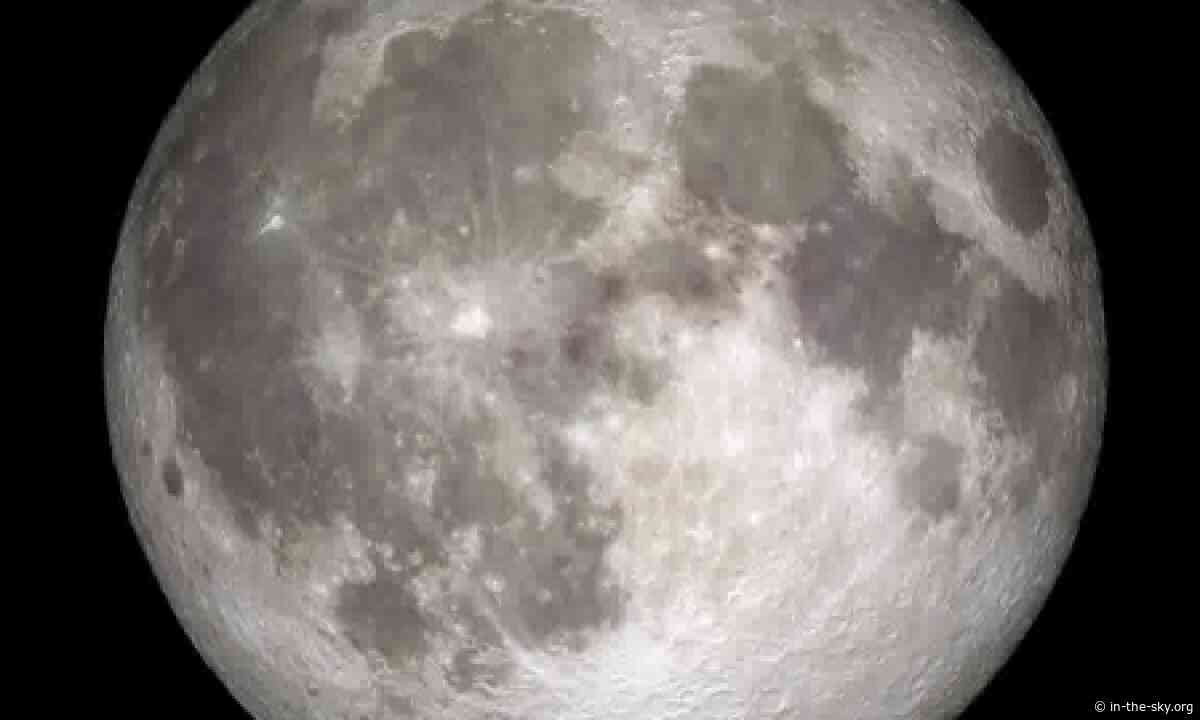
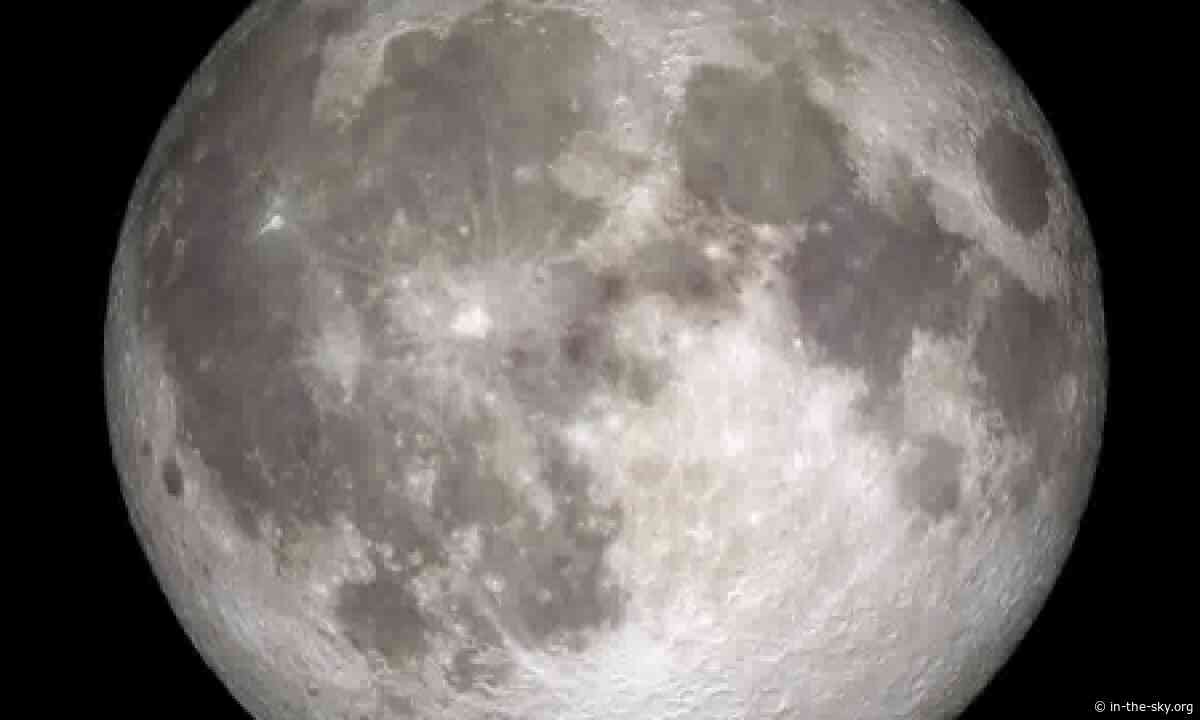
29 Jun 2026 (8 hours away): Full Moon
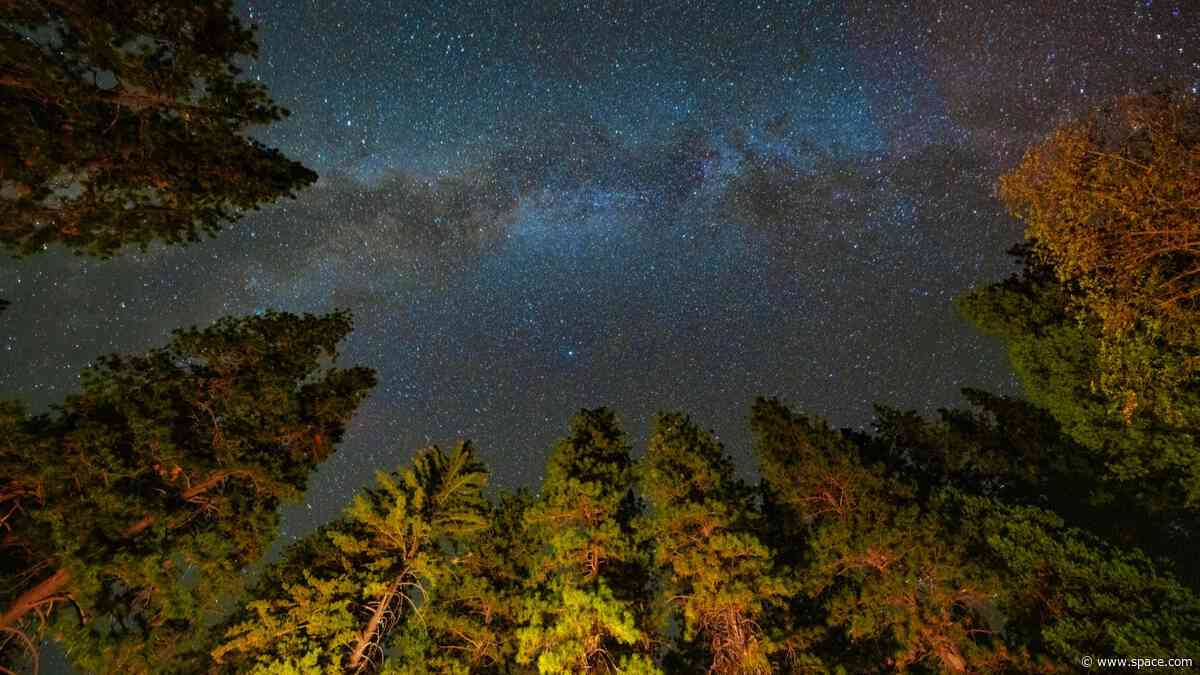
Light pollution may be erasing millions of dollars in value at US dark-sky parks
30 Jun 2026 (18 hours away): Lunar occultation of Sigma Sagittarii
30 Jun 2026 (14 hours away): The Moon at aphelion
29 Jun 2026 (9 hours away): Full Moon
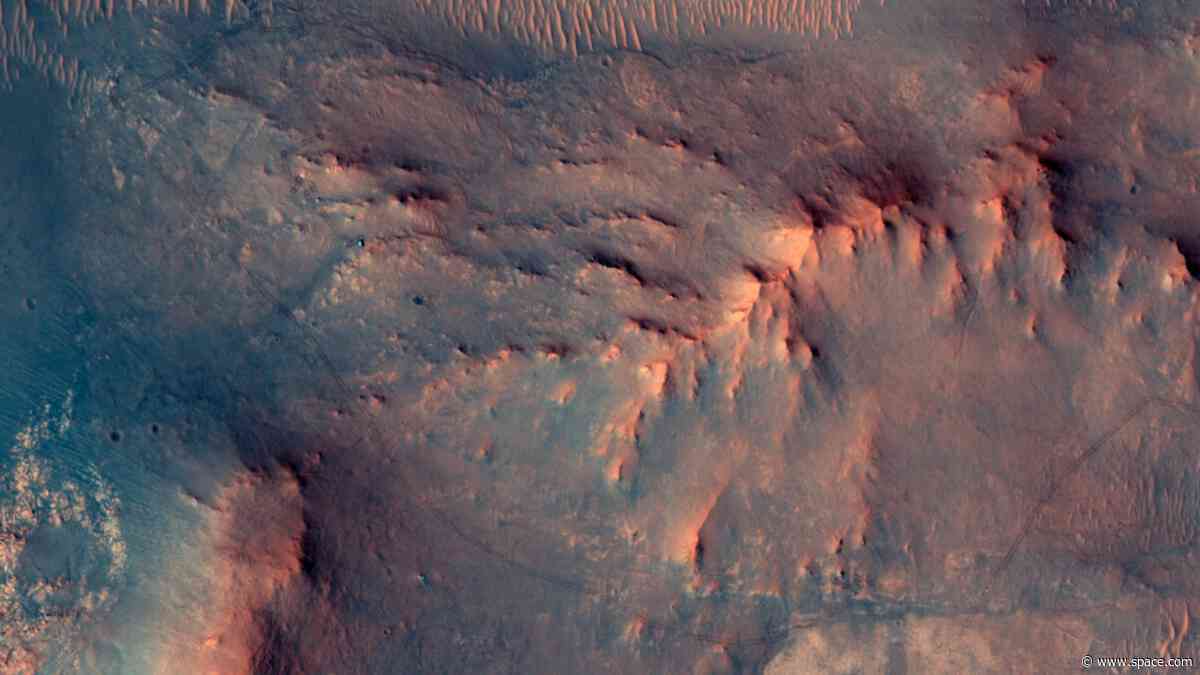
Mars orbiter watches Perseverance rover cross the marathon finish line | Space photo of the day for June 29, 2026
30 Jun 2026 (19 hours away): Lunar occultation of Sigma Sagittarii
29 Jun 2026 (10 hours away): Full Moon
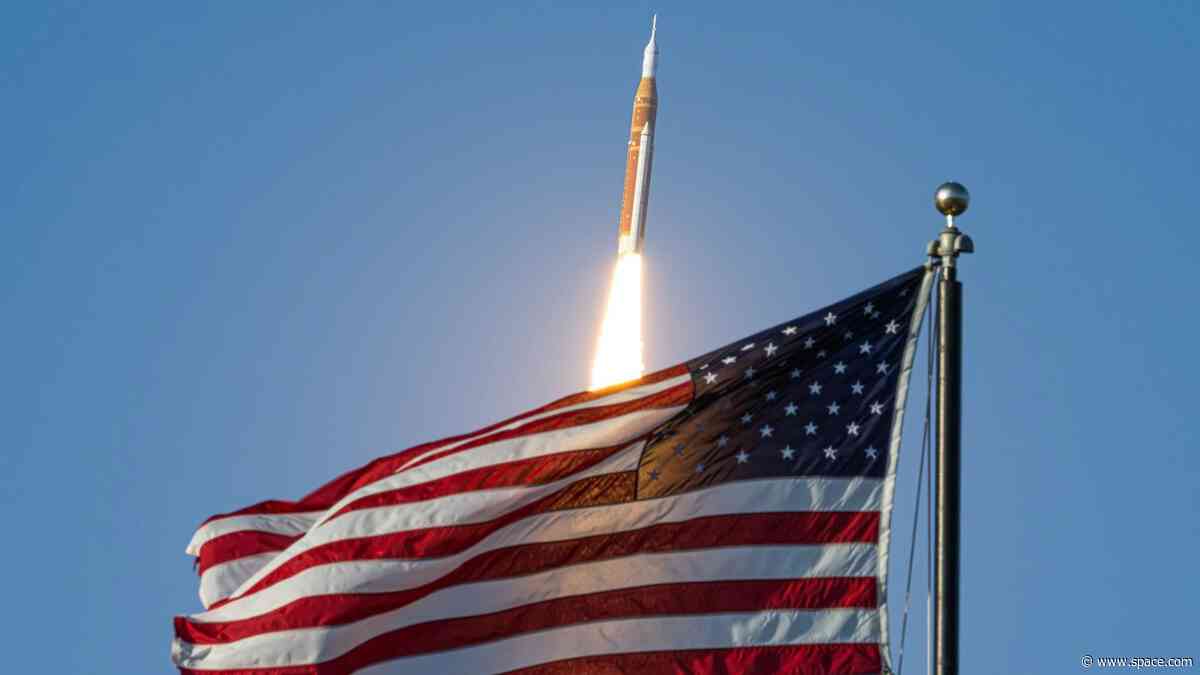
How NASA's 'America 250' celebrations are reaching from the sky to the moon
30 Jun 2026 (20 hours away): Lunar occultation of Sigma Sagittarii
29 Jun 2026 (11 hours away): Full Moon
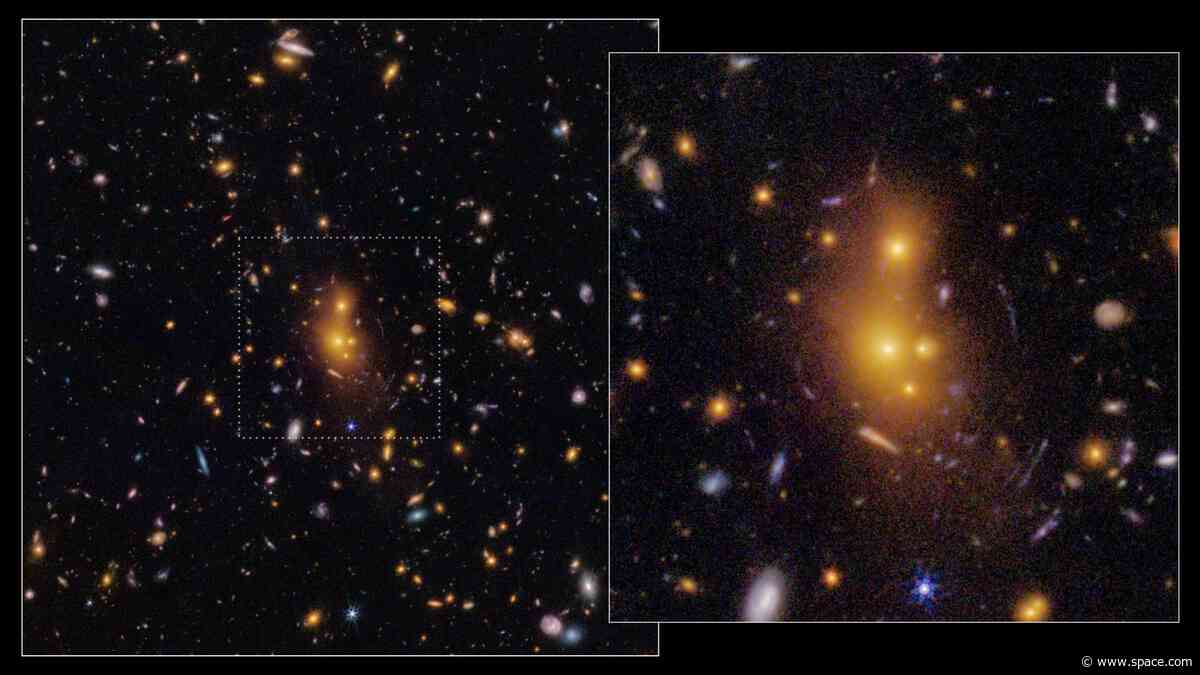
The James Webb Space Telescope peered into one of the universe's oldest galaxy clusters, and scientists can't explain what they saw
Desktop versie