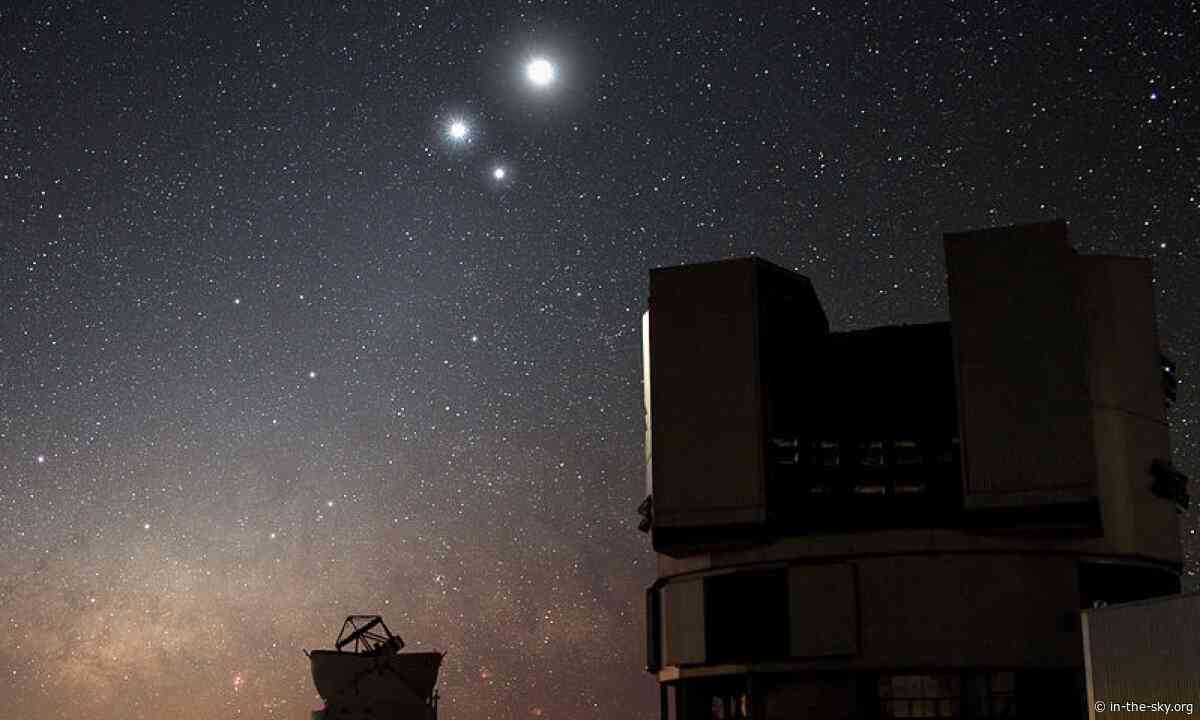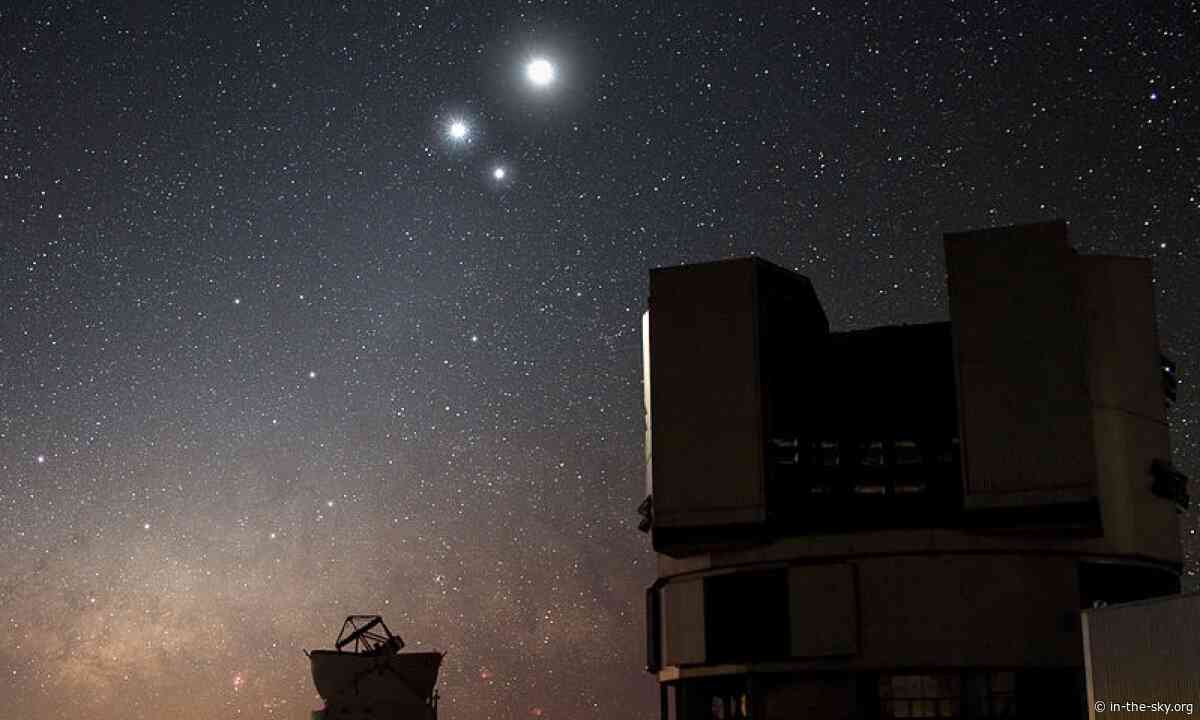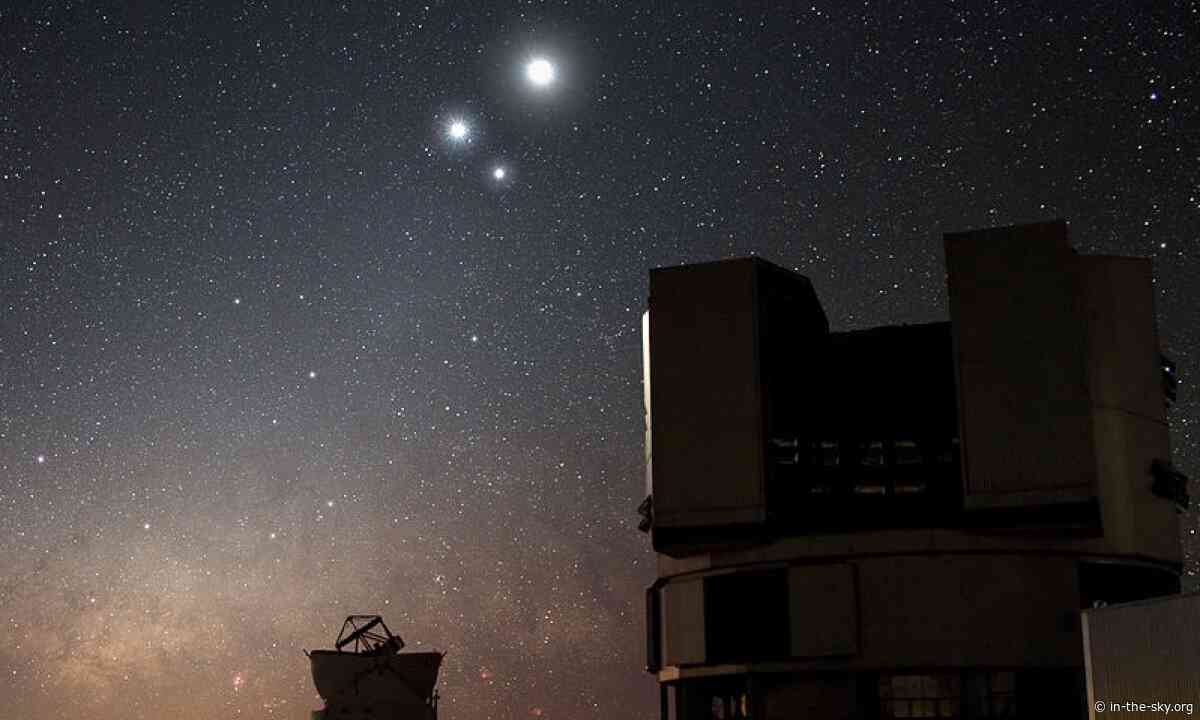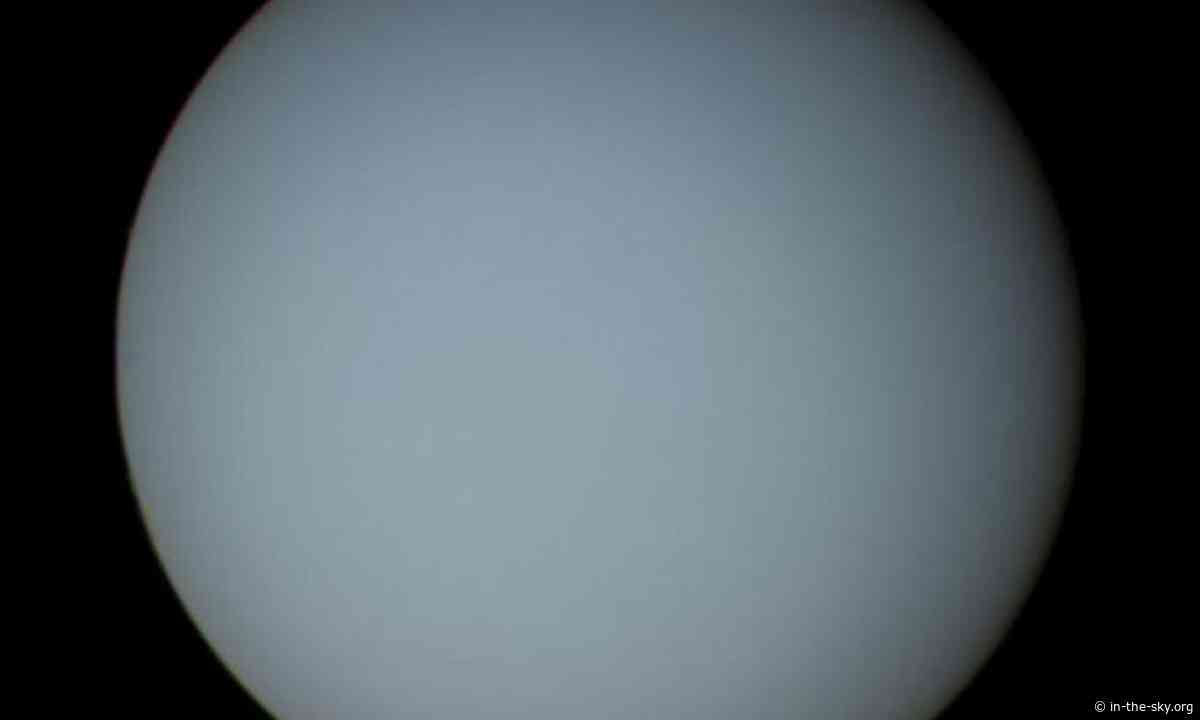
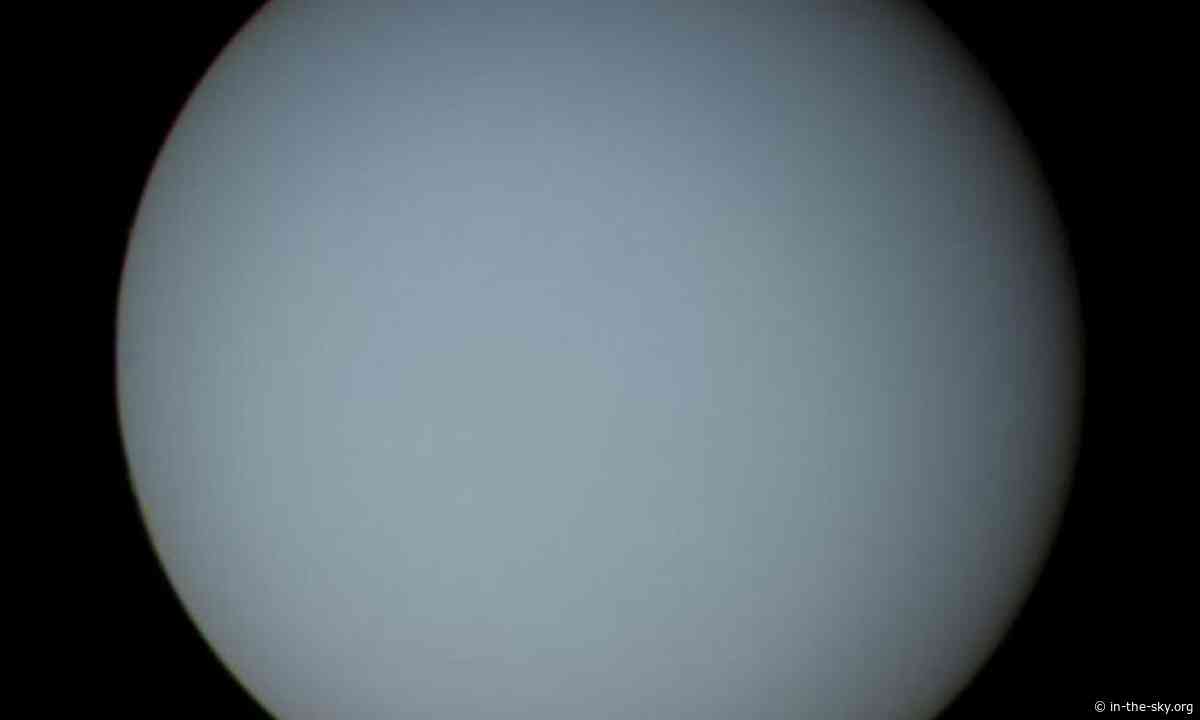
10 Sep 2026 (23 hours away): Uranus enters retrograde motion
09-09-2026 21:41 via in-the-sky.org

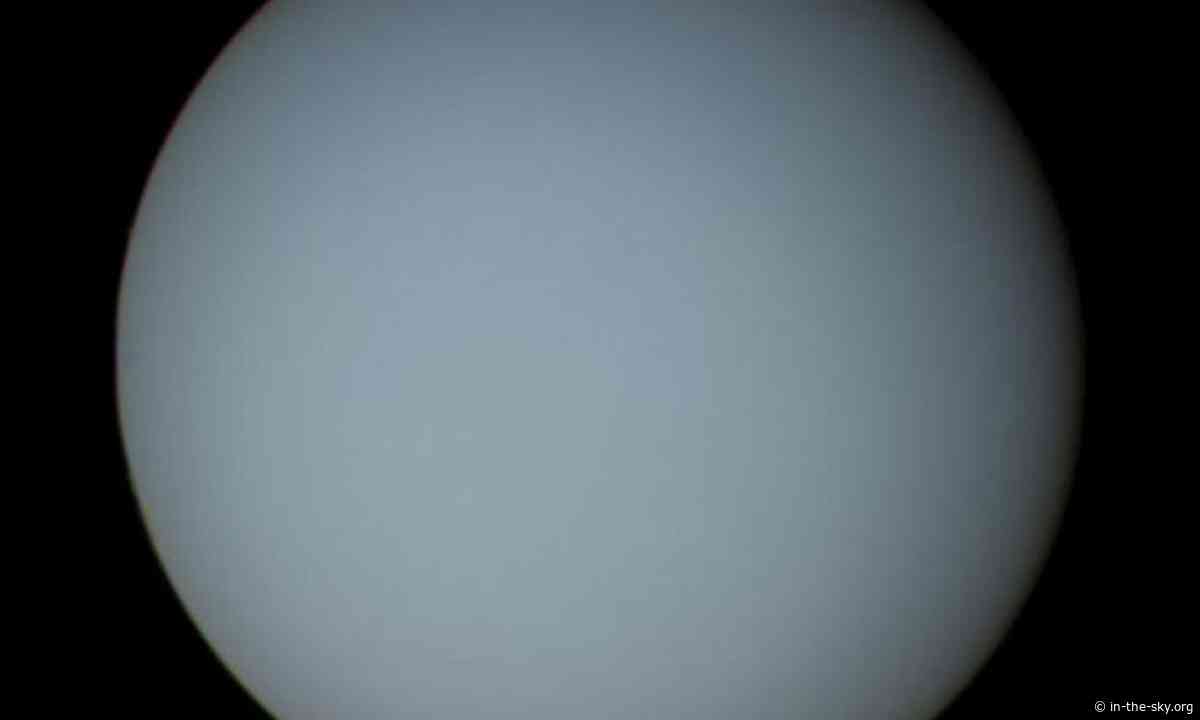
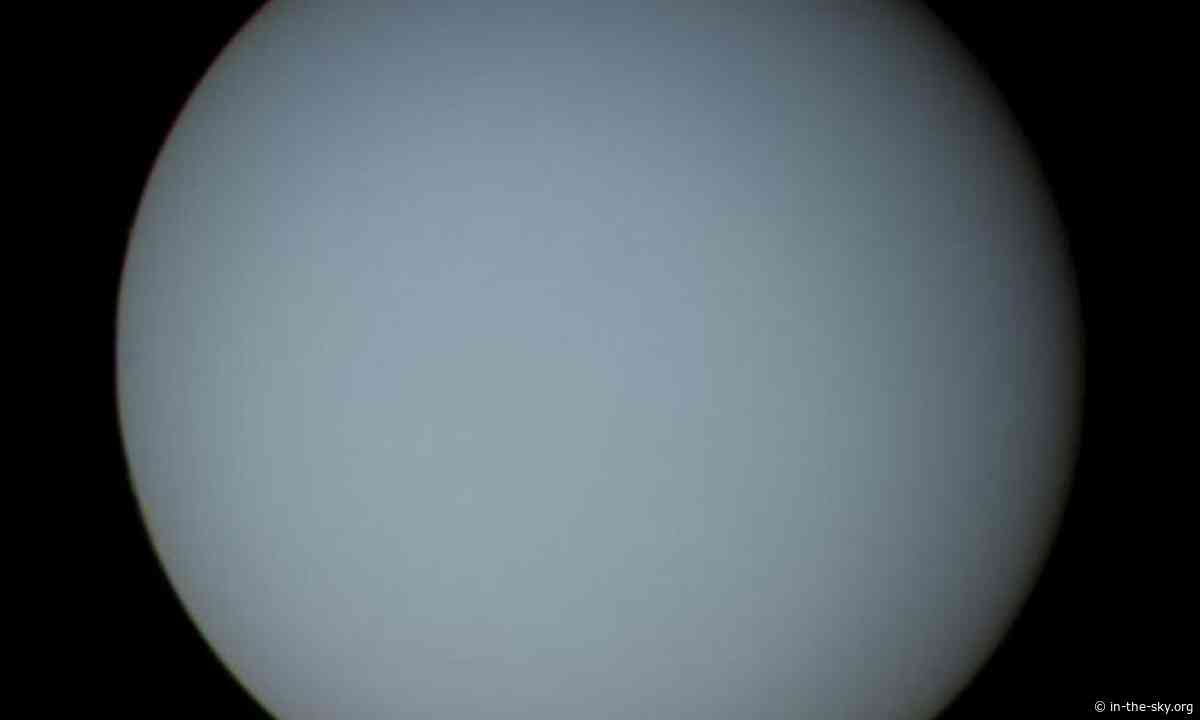
10 Sep 2026 (23 hours away): Uranus enters retrograde motion

Uranus reverses its direction of motion across the sky.
Read more »

Astronomy news


10 Sep 2026 (19 hours away): Uranus enters retrograde motion
14 Sep 2026 (4 days away): Conjunction of the Moon and Venus
14 Sep 2026 (4 days away): Close approach of the Moon and Venus
13 Sep 2026 (3 days away): The Moon at perihelion
12 Sep 2026 (2 days away): Conjunction of the Moon and Mercury
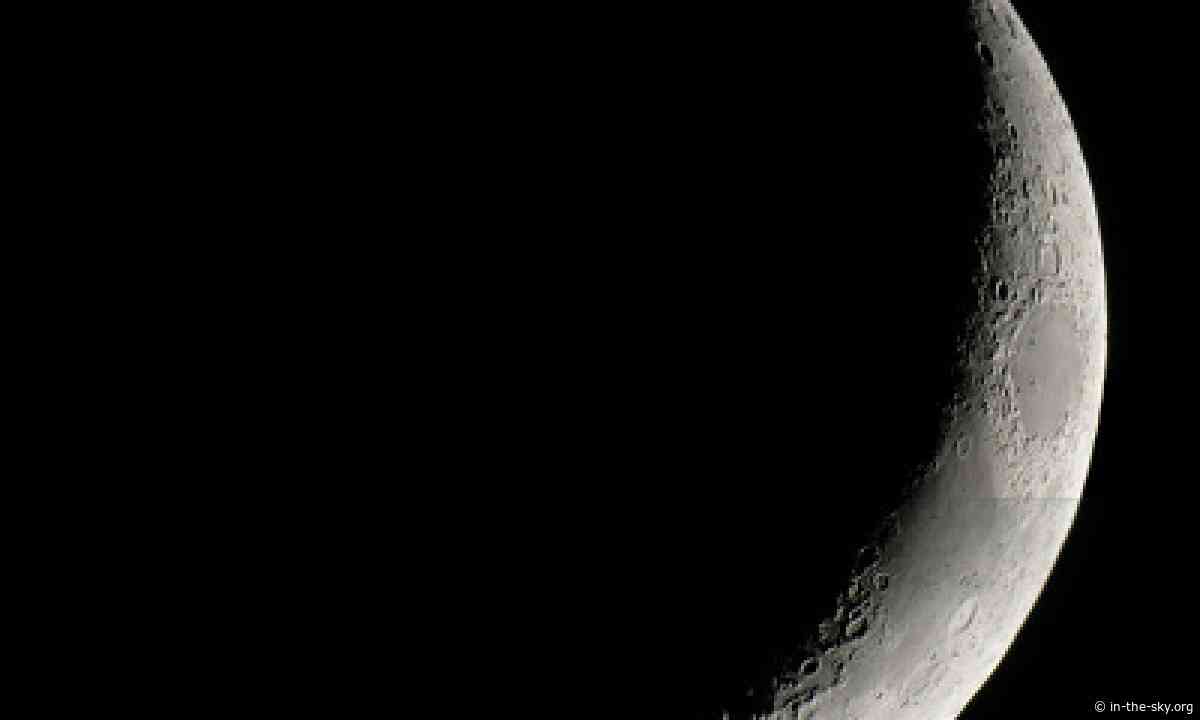
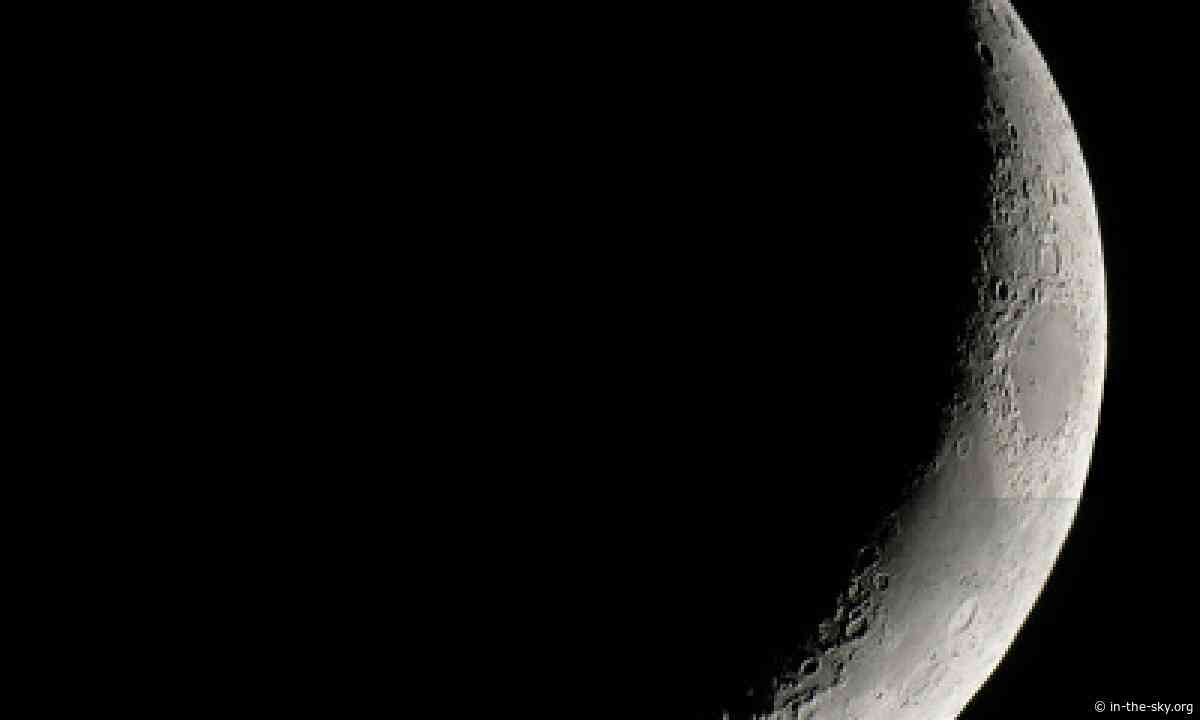
11 Sep 2026 (Tomorrow): New Moon
10 Sep 2026 (20 hours away): Uranus enters retrograde motion
10 Sep 2026 (21 hours away): Uranus enters retrograde motion
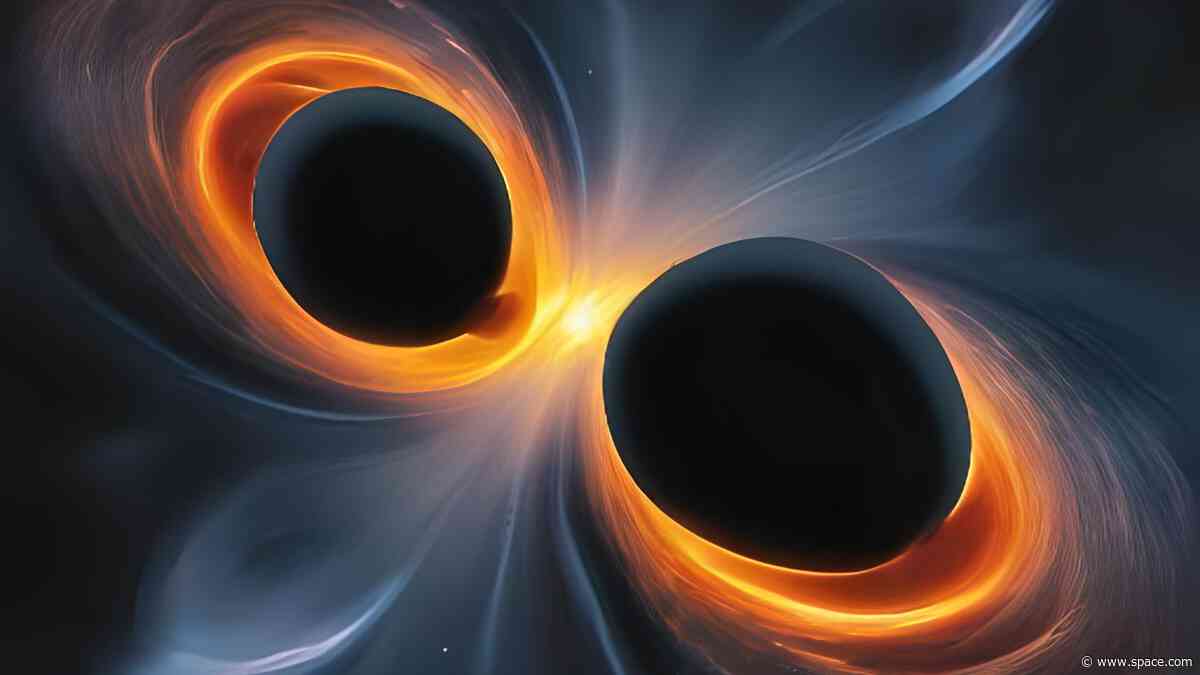
This 'impossible' black hole merger may be explained by a warp in spacetime
10 Sep 2026 (22 hours away): Uranus enters retrograde motion
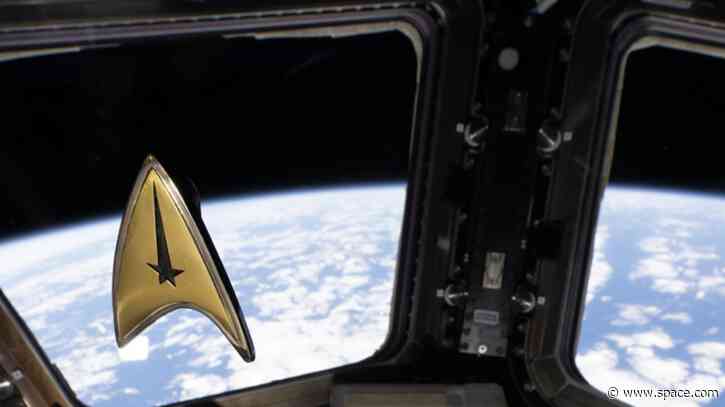
International Space Station astronaut gives out of this world tribute to honor Star Trek’s 60th anniversary
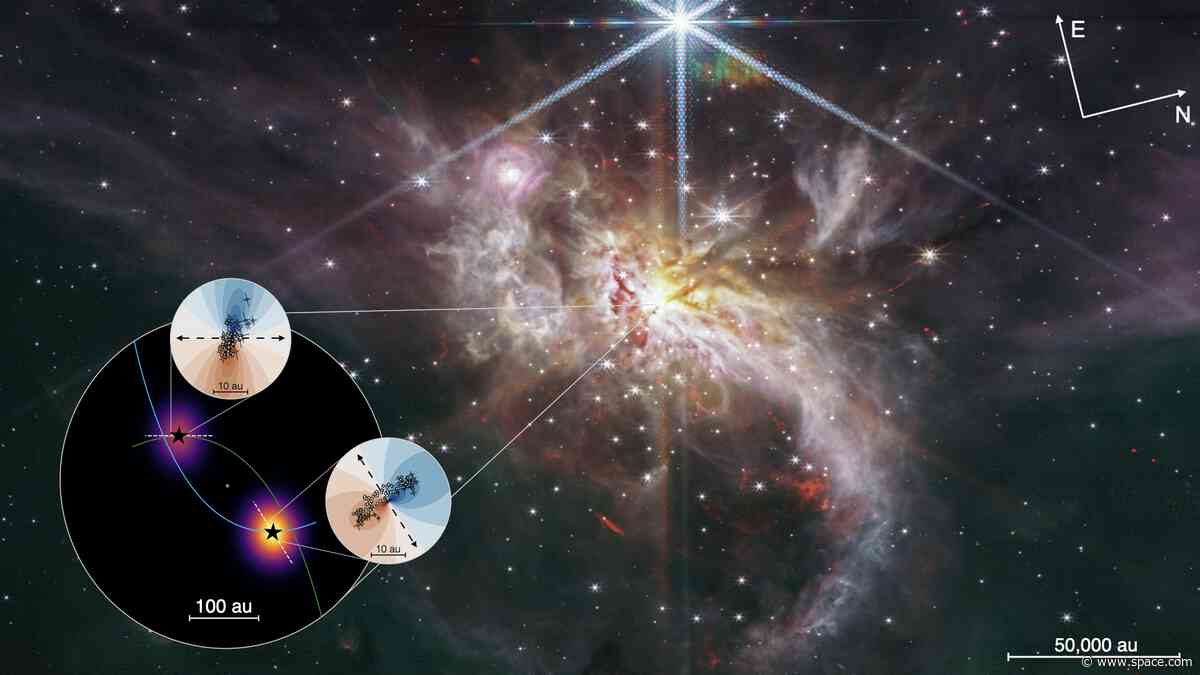
Astronomers discover two stars that joined together to form a binary system just 60 years ago
14 Sep 2026 (5 days away): Close approach of the Moon and Venus
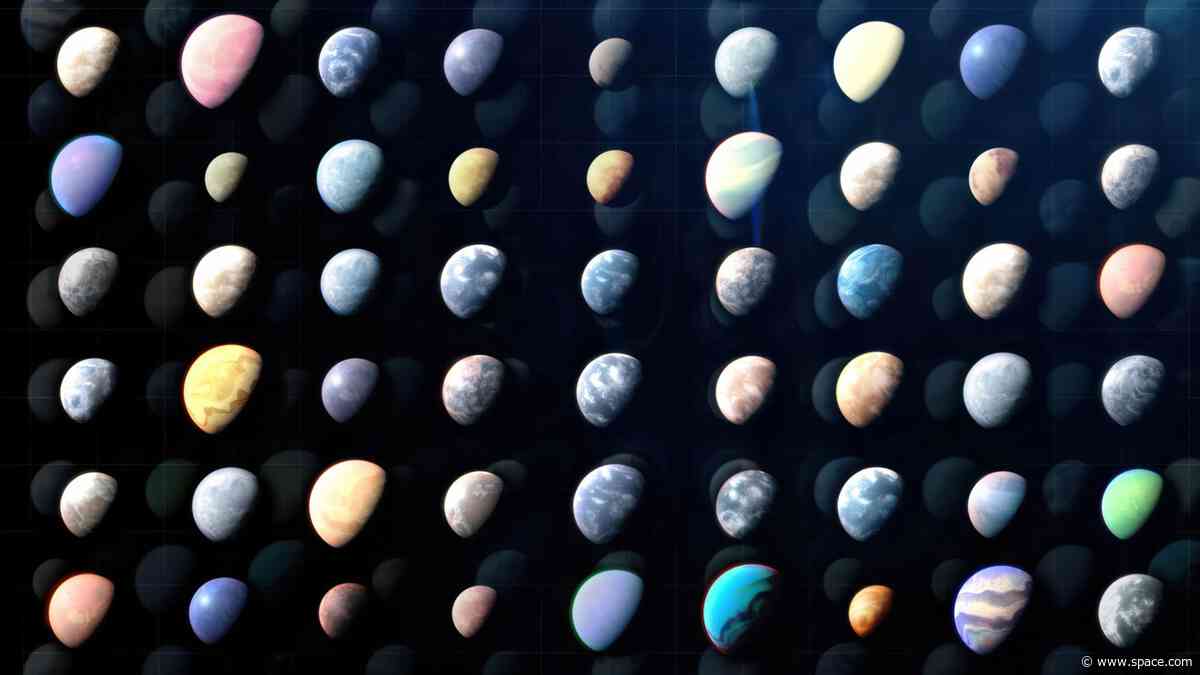
NASA's newly launched Roman Space Telescope will 'directly' image exoplanets. But what does that mean?
Desktop versie