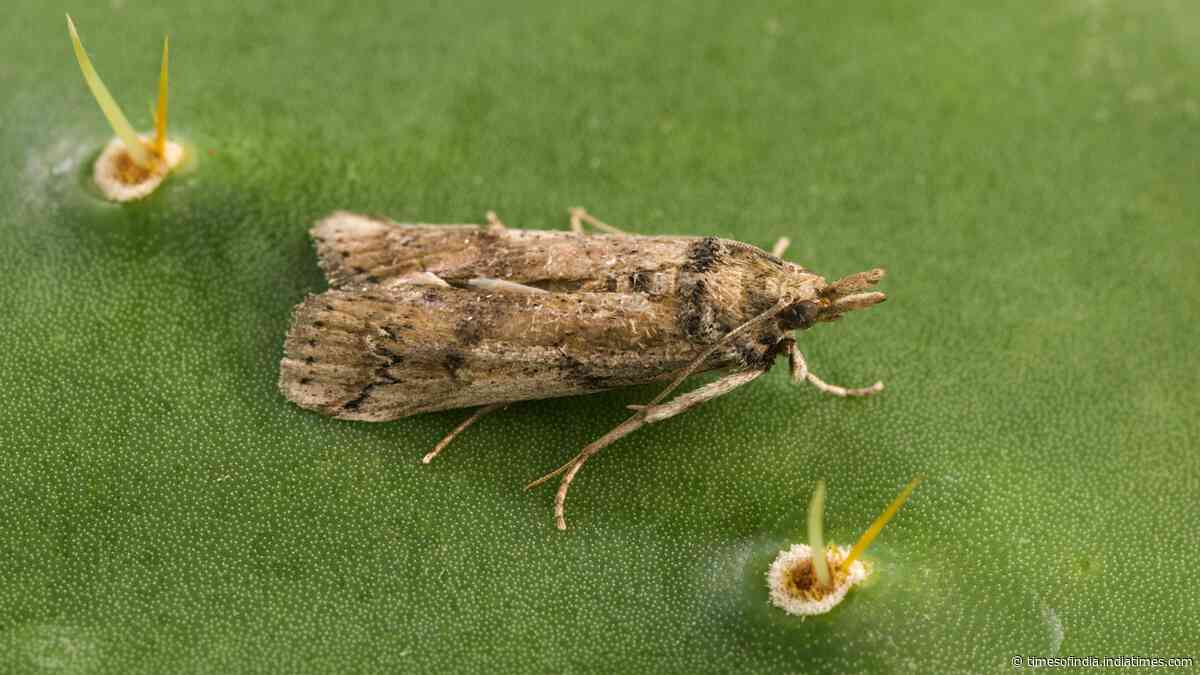
A cactus-eating moth released on Caribbean islands as biological control later reached Florida
23-08-2026 16:47 via timesofindia.indiatimes.com

A cactus-eating moth released on Caribbean islands as biological control later reached Florida

The Argentine cactus moth, an invasive species from South America, has begun its march across the southern United States, threatening the delicate balance of native prickly pear cactus populations. Initially identified in Florida in 1989, its westward movement raises alarms among scientists regarding potential ecological disruptions in the southwestern U.S. and Mexico. Control measures, including the sterile insect technique, are in place to monitor and manage its spread.
Read more »

Science news



Quote of the day by James Clerk Maxwell: "Happy is the man who can recognise..."
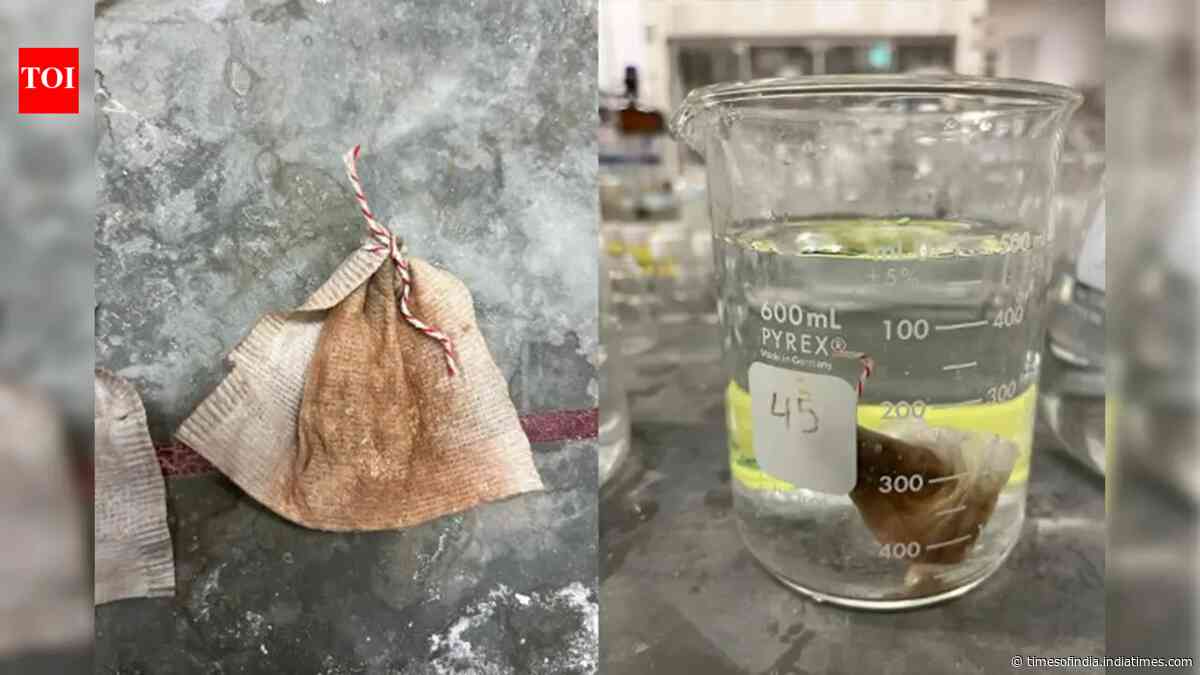
Meet Vick Tan: The Minnesota student who turned a teabag into a low-cost arsenic filter
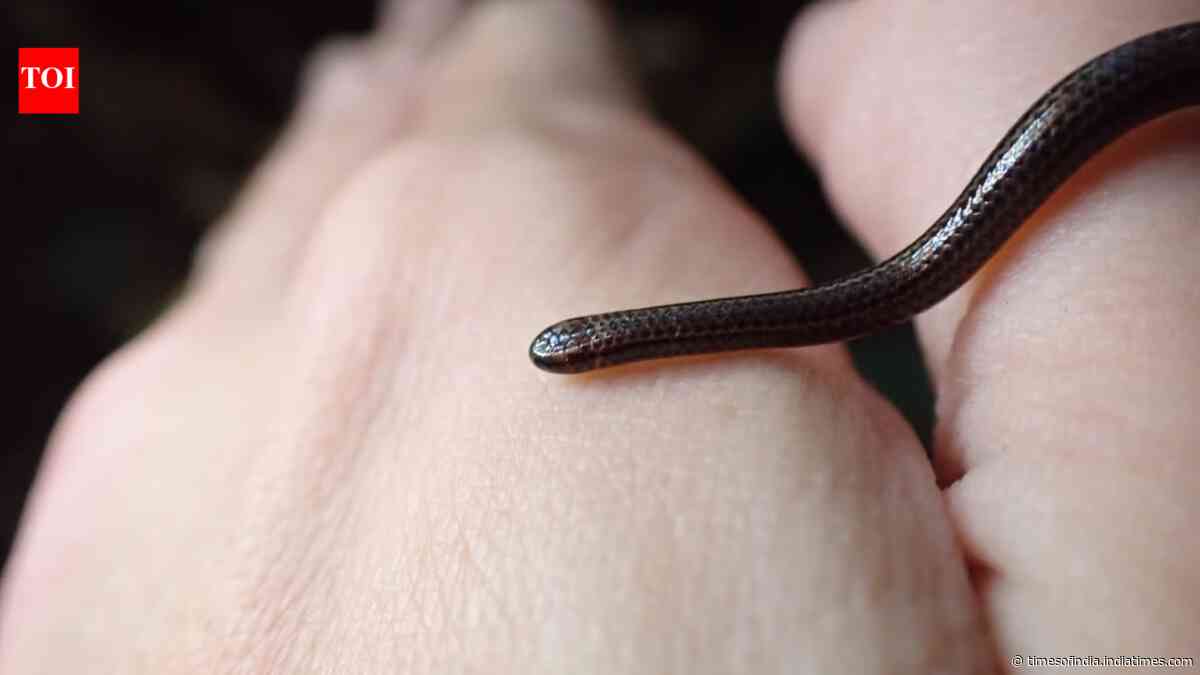
Scientists overturned hundreds of rocks in Barbados and found the world's smallest snake
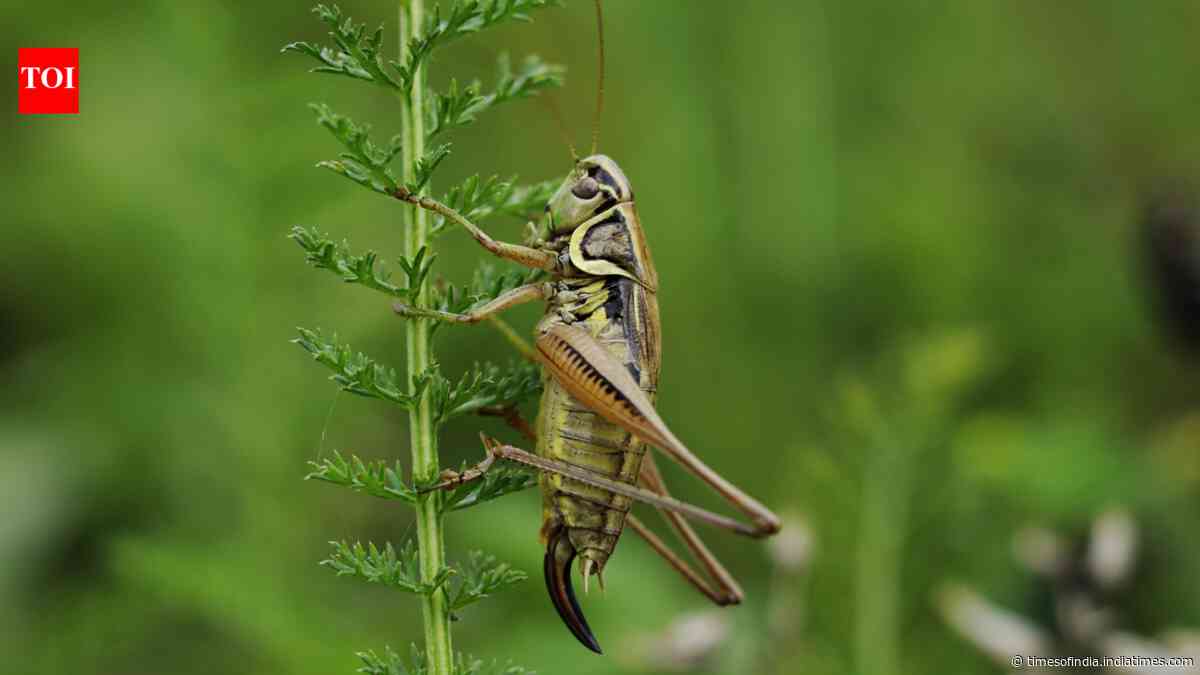
ISS cricket experiment found microgravity-exposed larvae hatched earlier than ground controls
Freezing liquid inside optical fibre makes light and sound interact 1,000 times more strongly
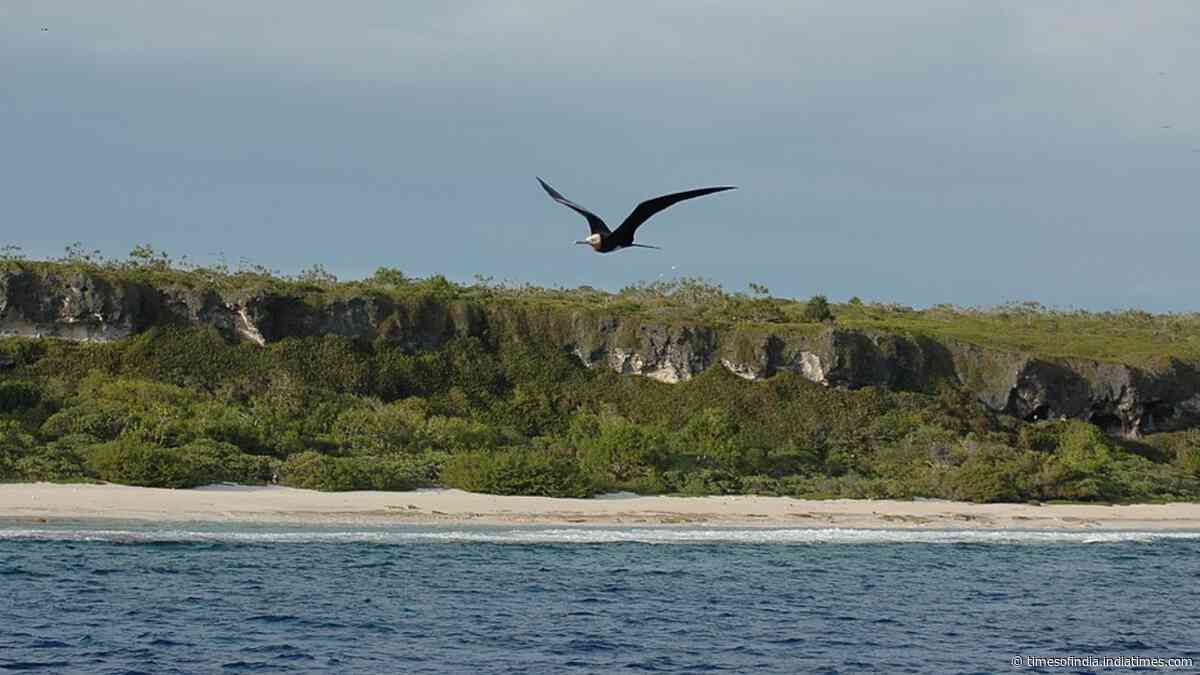
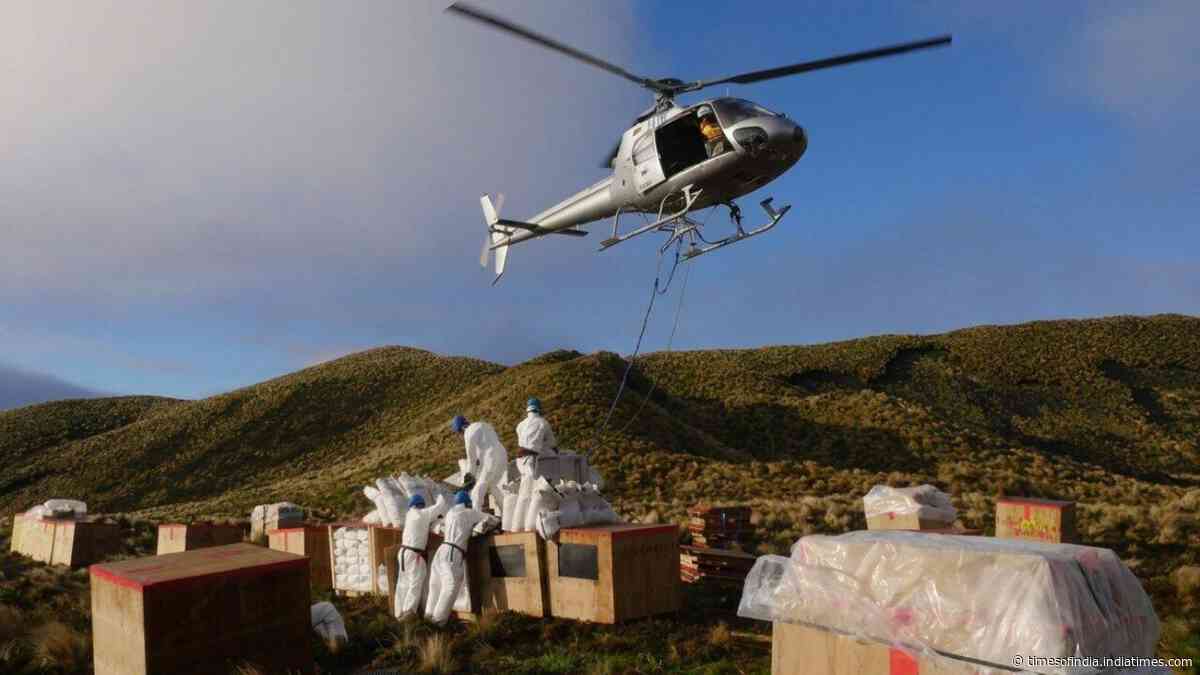
Henderson Island rats survived a 75-tonne poison campaign and rebounded within two years
Chinese humanoid robots beat Usain Bolt’s 100m record and human high-jump record: Are humans losing?
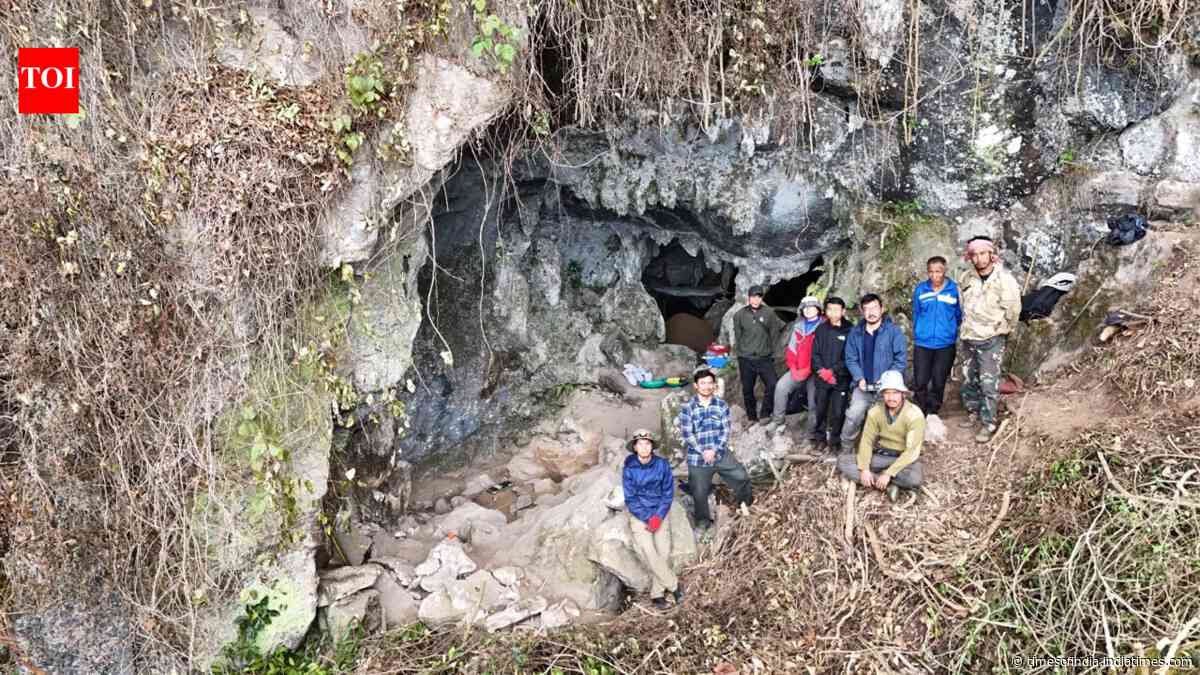
Nagaland discoveries push known human habitation in Northeast India back by around 3,500 years
New Zealand removed 200,000 mice from an island; native bird populations more than doubled
Apollo 15 astronauts found green glass beads on the Moon; decades later, they revealed evidence of water inside
From Thumba to tomorrow: Indian space programme is preparing for its biggest leap yet
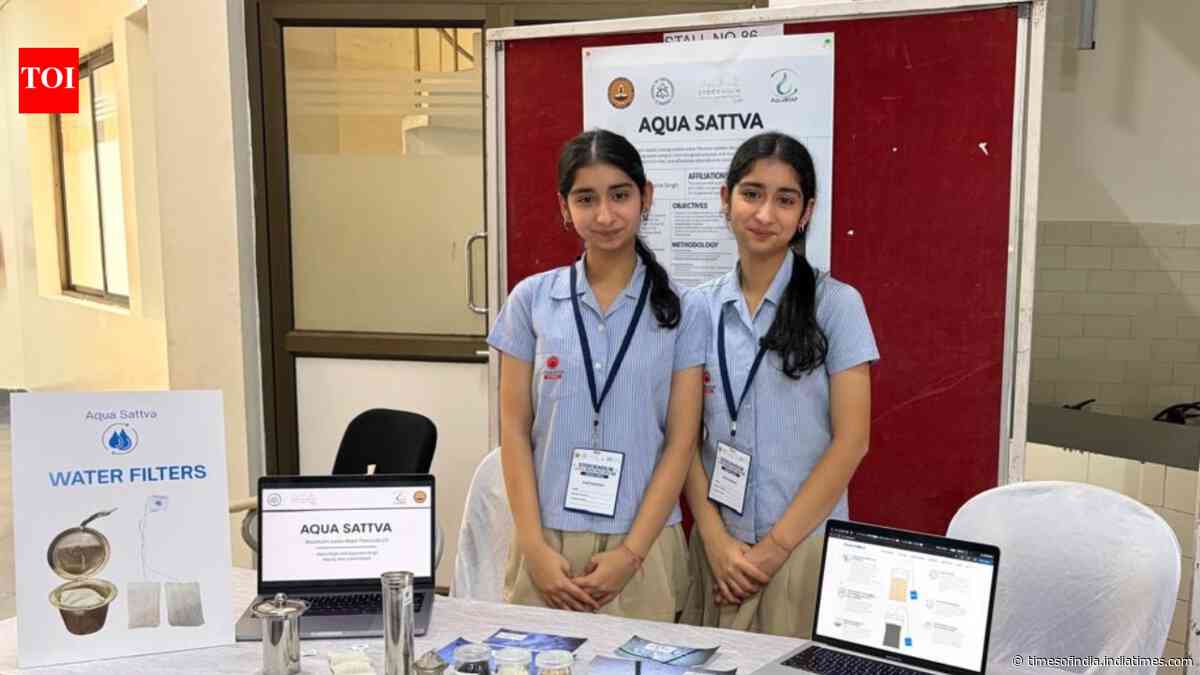
Delhi-NCR twins turn okra, fenugreek and rice husk into a Rs 100 electricity-free water filter
Jharkhand's Dhanbad turned a barren coal-belt hillock green; CISF is now trying the same experiment on 6 acres along Delhi’s Yamuna
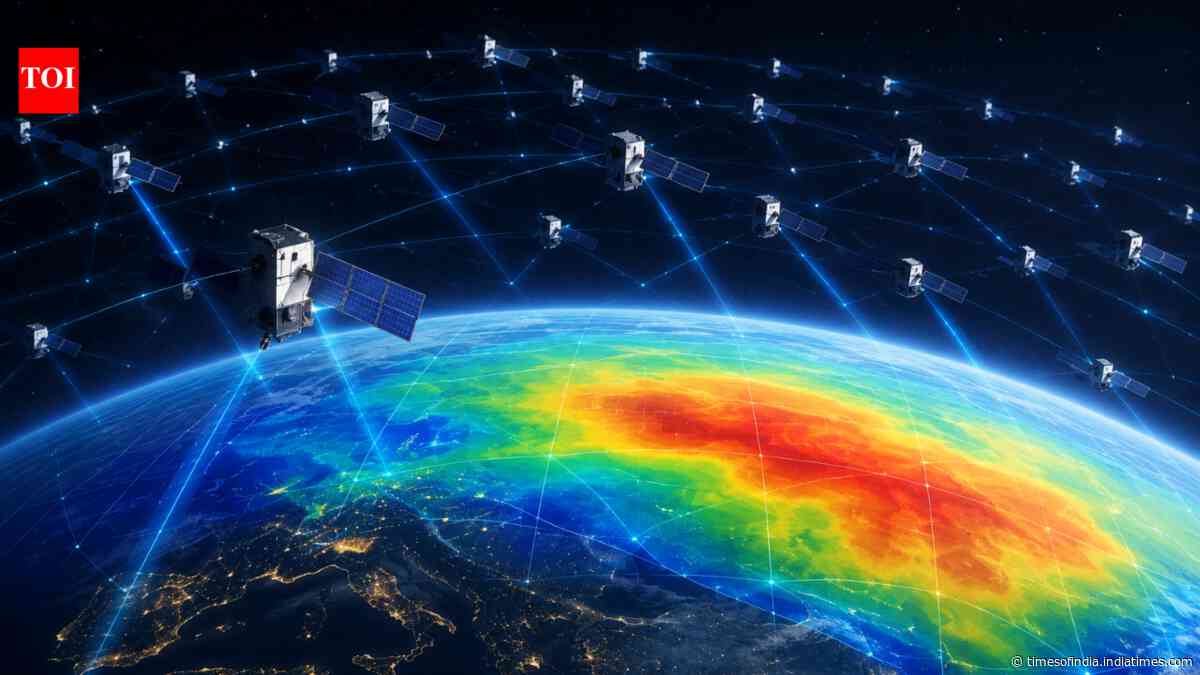
Scientists realised 1,200 Starlink satellites could double as a giant scanner for Earth’s atmosphere
Desktop versie